Introduction
Tiger snakes (Notechis scutatus) are among the most remarkable yet been afraid reptiles discovered in Australia. With their striking appearance and Red-bellied Black Snake powerful poison, these serpents stimulate a combination of awe and caution. Observing tiger serpents in their natural surroundings can be a thrilling experience for nature fanatics, wildlife photographers, and researchers alike. Nonetheless, it's crucial to approach this undertaking with respect for the animal's habitat and an understanding of safety measures to prevent serpent bites.
In this detailed overview, we'll discover exactly how to securely observe tiger snakes in their natural environment. We will certainly cover subjects varying from understanding their actions and habitats to emergency treatment for snake bites-- outfitting you with expertise to improve your experience while reducing threats.
What is a Tiger Snake?
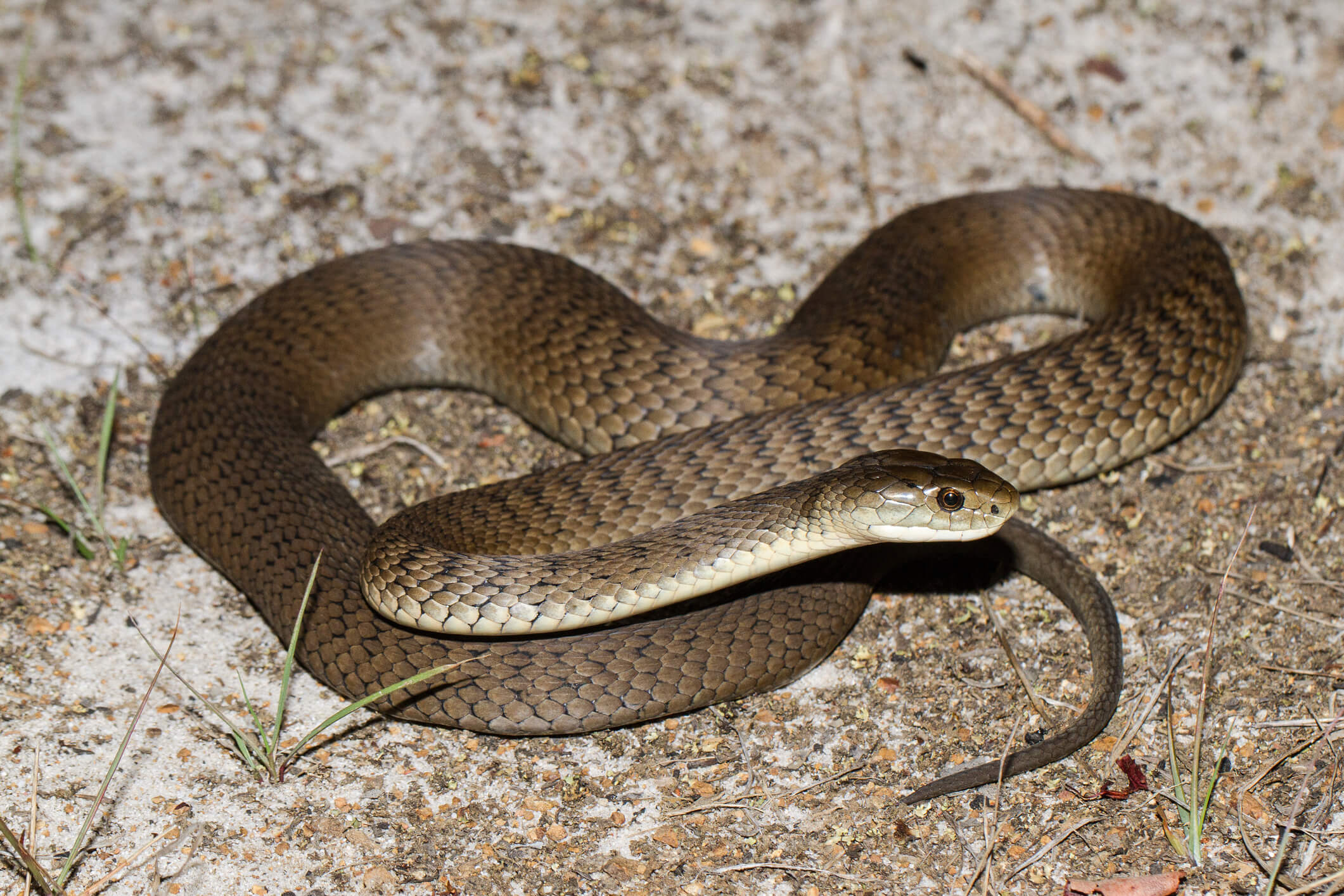
Tiger snakes are highly venomous snakes native to Australia, particularly Tasmania and seaside areas. They are known for their distinct banded pigmentation appearing like a tiger's red stripes, which can range from yellowish-brown to dark brown or even black. Brown snake bite
Physical Characteristics
Tiger serpents are medium to large-sized serpents that can grow up to 2 meters long. Their bodies are durable, and they have a wide head that is clearly broader than their necks.
Habitat Preferences of Tiger Snakes
These reptiles commonly inhabit wetlands, estuaries, and seaside areas but can also be found near freshwater sources like rivers and lakes. Comprehending where these snakes live is crucial for any individual seeking to observe them safely.
Understanding Tiger Serpent Behavior
Are Tiger Snakes Venomous?
Yes, tiger snakes are among one of the most venomous snake varieties globally. Their venom consists of neurotoxins that can result in major clinical difficulties if bitten.
Behavioral Traits
Tiger snakes are generally shy animals; they choose to prevent human interaction. However, they can come to be aggressive if intimidated or caught.
Where Can You Discover Tiger Snakes?
Tiger Snake Environment Exploration
To safely observe tiger snakes in their all-natural habitat, it's important first to identify where they thrive. They often tend to prefer:
- Coastal marshlands Mangroves Swamps Riverbanks
Best Areas for Observation
Some suggested locations include:
- Tasmanian wetlands The coasts of southern Australia National parks with water bodies
Safety Preventative measures Prior to Observing Tiger Snakes
Understanding the Dangers of a Tiger Serpent Bite
Although encounters with tiger snakes can be exhilarating, understanding the dangers entailed is critical:
Recognize symptoms of a snake bite: swelling at the website, pain emitting from the bite area. Know emergency calls: Acquaint yourself with neighborhood emergency services. Carry a first-aid kit particularly equipped for serpent bites.First Aid for Snake Bites: What You Need to Know
Knowing what actions to take if bitten could save your life or someone else's:
- Stay calm; motion increases poison spread. Call for medical assistance immediately. Do not apply ice or attempt suctioning.
How to Securely Observe Tiger Snakes in Their All-natural Habitat
When you choose to observe tiger snakes in the wild:

Equipment Needed for Observation
Essential Gear Checklist
- Binoculars First-aid set especially developed for serpent bites Field guidebook on Australian reptiles Camera (with zoom ability)
Snake Bite First Aid Package Essentials
A fully equipped emergency treatment set need to consist of:|Item|Objective|| -------------------------------|-------------------------------|| Compression bandage|To debilitate the afflicted area|| Antihistamines|For Learn here allergic reactions|| Emergency situation call numbers|Quick access throughout emergencies|
Interpreting Tiger Serpent Signals
Understanding just how tiger serpents communicate with body movement aids onlookers evaluate when it's secure or hazardous:
Common Behaviors
Defensive position: If coiled or raised off the ground. Retreating actions: When they gradually pull back from prospective threats.Dealing With Potential Encounters
Even with safety measures taken, an experience might still happen throughout your observation journey:
Remain calmness; panicking only increases risks. Slowly retreat without turning your back on the snake. Make your visibility understood vocally but prevent abrupt movements.Frequently Asked Questions About Tiger Snakes
1. What need to I do if I see a tiger snake?
Remain calmness; observe from a range without disturbing it.
2. Are child tiger snakes dangerous?
Yes, juvenile tiger snakes are birthed poisonous and may pose threats similar to grownups regardless of being smaller.
3. Just how common are tiger serpent bites?
While incidents occur every year in Australia, deaths are uncommon because of timely treatment availability.

4. Can I keep a tiger snake as a pet?
Keeping wild tiger snakes as pet dogs is illegal in lots of areas because of conservation laws.
5. What does a tiger serpent bite appearance like?
Bite marks typically reveal two puncture wounds in addition to localized swelling and discoloration.
6. Exactly how effective is antivenom?
Antivenom therapy is extremely effective when administered timely after a bite.
Conclusion
Observing tiger snakes in their natural habitat offers an exciting chance for wildlife lovers however have to be approached with caution and regard for both the creature and its setting. By arming yourself with knowledge regarding these interesting reptiles-- including comprehending their habits and precaution-- you can take pleasure in unforgettable experiences while substantially reducing dangers connected with encounters.
In summary, always prioritize safety by preparing effectively before embarking on any wild animals monitoring exploration-- specifically when taking care of several of nature's most poisonous creatures like the tiger snake!